


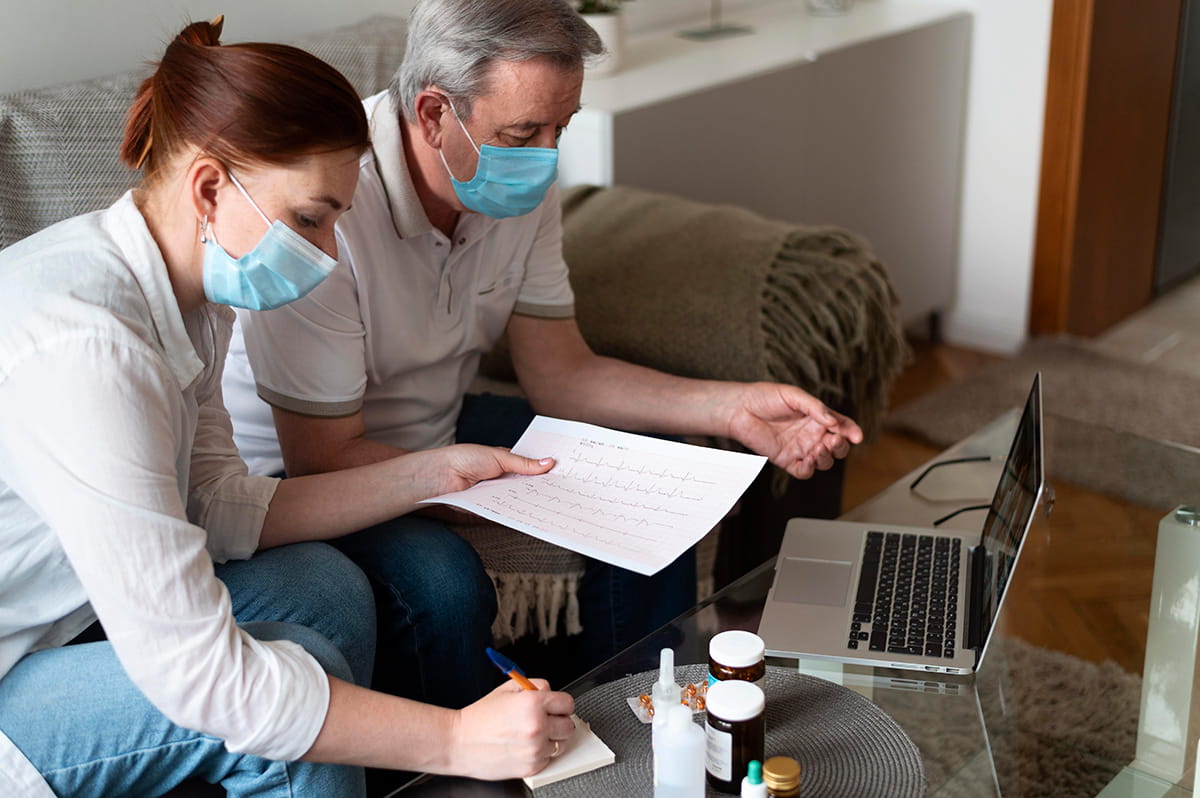
California State Hub: In-Home Detox Services Across the Golden State

Most people don’t wake up one morning planning to search for “in-home detox in California”.
They search because something has reached a breaking point. A loved one can’t stop. Withdrawal symptoms are getting scary. Or inpatient rehab feels too disruptive, too public, or too late.
And that’s where medically supervised in-home detox comes in, not as a shortcut, but as a clinical option that works when it’s done correctly.
This California state hub exists for one reason: to give individuals, families, and professional referrers a clear, statewide view of how home detox works, where it’s available, and when it’s the right level of care.
No hype. No blanket promises. Just facts, safeguards, and realistic expectations.
Table of Contents:
What Is Medically Supervised In-Home Detox in California?
In-home detox is exactly what it sounds like, but only when it’s done under proper medical oversight.
A California home detox medically supervised program provides:
- Physician-directed detox protocols
- Licensed medical staff (RN/LVN) providing in-home care
- Medication management to reduce withdrawal risks
- Daily monitoring, symptom tracking, and escalation planning
Care takes place in a private residence, the patient’s home, a family member’s home, or a temporary private setting, rather than a facility.
But let’s be clear.
This is not self-detox.
And it’s not “check in once a day and hope for the best.”
In California, legitimate home detox requires:
- A medical intake and risk assessment
- Oversight by a licensed physician
- Compliance with state clinical standards
- Clear criteria for when inpatient care is required instead
Anything less is unsafe.
How Home Detox Works Across California
The structure is consistent across the state, even though geography varies.
Here’s what the process typically looks like in California:
1. Clinical Evaluation
Before services begin, a medical professional evaluates:
- Substance(s) used
- Duration and intensity of use
- Prior withdrawal history
- Co-occurring medical or mental health conditions
This step determines whether in-home detox is clinically appropriate.
2. Physician-Guided Detox Plan
A licensed physician designs a detox protocol that may include:
- FDA-approved medications
- Dosing schedules adjusted daily
- Symptom response planning
This plan is not static. It evolves based on how the patient responds.
3. In-Home Medical Monitoring
Medical staff provide:
- Regular in-person visits
- Vital sign checks
- Withdrawal symptom management
- Safety monitoring
Escalation plans are in place if symptoms exceed safe thresholds.
4. Transition Planning
Detox is only the first phase.
Responsible programs plan for:
- Ongoing outpatient care
- Therapy or recovery support
- Next-step clinical referrals
Detox alone is not treatment. Any provider who says otherwise should raise concerns.
Coverage Areas: In-Home Detox Services Across California
California’s size creates a real challenge, and a real need, for statewide coordination.
Medically supervised in-home detox is available across major regions, including:
- Southern California
Los Angeles, Orange County, San Diego, Inland Empire - Northern California
San Francisco Bay Area, Marin, Peninsula, East Bay - Central Coast & Central Valley
Santa Barbara, Monterey, Fresno, Bakersfield - Desert & Mountain Regions
Palm Springs, Coachella Valley, Lake Tahoe areas
Because services are mobile, coverage is not limited to city centers. Rural and suburban areas may still qualify depending on staffing availability and clinical suitability.
For a breakdown of how programs operate within the state, this resource on the in-home detox program in California provides additional context on local service structures.
When Is Home Detox Appropriate, And When Is It Not?
This matters more than marketing language.
Home Detox May Be Appropriate When:
- Withdrawal risk is assessed as mild to moderate
- The patient is medically stable
- There is a safe, supportive home environment
- Privacy or discretion is a priority
- Inpatient care would create a significant disruption
Inpatient Detox Is Often Required When:
- There is a history of severe withdrawal (seizures, DTs)
- Polysubstance use increases medical risk
- There are unstable medical or psychiatric conditions
- The home environment is unsafe or unsupportive
Ethical providers in California will decline home detox when it isn’t safe. That refusal is a sign of professionalism, not limitation.
A Regional Case Example: Southern California Home Detox
Consider a common scenario seen across Southern California.
A working professional in Los Angeles has been using alcohol daily for years. Functioning. Hiding it well. Until withdrawal symptoms start appearing midday.
Inpatient detox would mean:
- Time off work
- Public disclosure
- Family disruption
A medically supervised in-home detox allows:
- Physician oversight
- Daily nursing visits
- Medication-assisted symptom control
- Continued privacy and dignity
The outcome isn’t just physical stabilization. It’s engagement, the person agrees to follow-up care because the process didn’t feel punitive or chaotic.
This pattern repeats statewide when the right patients are matched with the right level of care.
Safety Standards and Medical Oversight in California
California is strict, and that’s a good thing.
Legitimate in-home detox services must adhere to:
- State medical licensing requirements
- Physician supervision of detox protocols
- Medication compliance and documentation
- Emergency escalation procedures
If a provider cannot clearly explain:
- Who the supervising physician is
- How medications are prescribed and monitored
- What happens if symptoms worsen
That’s a red flag.
Families and referral partners should always ask these questions.
How Professional Referrals Use California In-Home Detox Services
Individuals or families in crisis are not the only ones who access in-home detox across California. A significant portion of referrals comes from licensed professionals who understand that the detox setting matters.
Common referral sources include:
- Therapists and psychologists
- Primary care physicians
- Psychiatrists and pain specialists
- Interventionists and case managers
- Executive health and concierge medical practices
These professionals often refer to California Home Detox’s medically supervised programs when a patient:
- Needs withdrawal stabilization, but not 24/7 inpatient containment
- Is resistant to facility-based detox due to stigma or career risk
- Requires close monitoring without removing them from their environment
From a clinical standpoint, in-home detox can improve engagement and compliance when the alternative is refusal of care altogether.
Referral partners typically coordinate around:
- Medical records and medication history
- Communication protocols during detox
- Clear handoff plans for post-detox treatment
This collaborative approach is one reason in-home detox has become a respected option within California’s broader continuum of care , not a replacement for inpatient treatment, but a targeted medical service used when criteria are met.
For families and professionals alike, understanding when and why this option is used helps prevent delays, reduce risk, and support better long-term outcomes.
Cost Considerations for California Home Detox
Cost varies depending on:
- Length of detox
- Medical complexity
- Location and staffing needs
- Medication requirements
In-home detox is a private-pay medical service in most cases, though some plans may offer partial reimbursement depending on coverage.
For a detailed breakdown of pricing factors and expectations, this guide on how much at-home detox costs in California explains what families should plan for , and what questions to ask upfront.
Why This California State Hub Exists
Most people don’t need dozens of city pages.
They need one place that answers:
- Is this safe?
- Is this available where I live?
- Is this appropriate for my situation?
This in-home detox California state hub is designed to consolidate information, reduce confusion, and support informed, safety-first decisions.
It’s for:
- Individuals seeking discreet medical care
- Families trying to help without causing harm
- Therapists, interventionists, and physicians are making referrals
And it’s built around one principle: matching care level to clinical need , not convenience alone.
Taking the Next Step
If you’re considering medically supervised home detox in California, the most important step is a clinical consultation.
Not a sales call.
Not a generic intake form.
A real evaluation that determines:
- Whether home detox is appropriate
- What level of medical oversight is required
- How to transition into ongoing care
If you’re ready to explore options statewide, schedule a confidential consultation in California to discuss safety, coverage, and next steps.
Getting detox right the first time matters.
And doing it safely matters even more.