


Detox Nutrition: How to Eat Safely During an In-Home Withdrawal

When people plan a home detox, they think about symptoms.
They rarely think about food.
That’s a mistake.
Because what you eat during withdrawal can either stabilize your brain, or make every symptom worse.
Headaches. Anxiety. Insomnia. Irritability. Cravings.
Nutrition directly affects all of it.
If you’re asking, “What should I eat during a home detox?” Here’s the evidence-based answer, without gimmicks, juice cleanses, or starvation plans.
Table of Contents:
First: Detox Is Not a Cleanse
Let’s kill this myth immediately.
Withdrawal is not about “flushing toxins” with lemon water.
Your liver and kidneys already handle detoxification. What your body needs during alcohol or opioid withdrawal isn’t restriction, it’s stability.
And stability comes from:
- Blood sugar balance
- Hydration
- Electrolytes
- Protein
- Micronutrients
Extreme dieting during withdrawal makes symptoms worse.
Eat to repair. Not to punish.
Why Nutrition Matters During Withdrawal
Substances disrupt three major systems:
- Blood sugar regulation
- Neurotransmitter balance (dopamine, serotonin)
- Sleep hormones
When you stop using, your system swings in the opposite direction.
Low blood sugar mimics anxiety.
Dehydration worsens headaches.
Protein deficiency affects mood stability.
Food becomes part of your symptom management strategy.
The Foundation: Eat Every 3–4 Hours
During home detox, long gaps between meals are a problem.
They cause:
- Shakiness
- Irritability
- Fatigue
- Cravings
Instead:
- 3 balanced meals
- 1–2 protein-based snacks
No skipping breakfast. Even if you’re not hungry.
Especially if you’re not hungry.
What to Eat During In-home Alcohol Detox
Alcohol depletes:
- B vitamins
- Magnesium
- Zinc
- Protein stores
Common symptoms include nausea, tremors, insomnia, and anxiety.
Focus On:
1. High-Protein Foods
- Eggs
- Greek yogurt
- Chicken
- Turkey
- Beans
- Tofu
Protein supports neurotransmitter repair.
2. Complex Carbohydrates
- Oats
- Brown rice
- Sweet potatoes
- Whole grain toast
These stabilize blood sugar and support serotonin production.
3. Hydration + Electrolytes
- Water
- Coconut water
- Broth
- Electrolyte solutions
Alcohol withdrawal increases dehydration risk.
Sip consistently. Don’t chug.
4. Easy-to-Digest Options (If Nauseous)
- Bananas
- Rice
- Applesauce
- Toast
- Bone broth
Small, frequent meals beat large portions.
What to Eat During Opioid Detox at Home
Opioid withdrawal often includes:
- Diarrhea
- Sweating
- Muscle aches
- Appetite loss
This increases fluid and electrolyte loss.
Prioritize:
1. Rehydration
- Water with electrolytes
- Broth
- Diluted sports drinks
Frequent small sips prevent worsening fatigue.
2. Potassium-Rich Foods
- Bananas
- Avocado
- Spinach
- Potatoes
These help muscle function and reduce weakness.
3. Anti-Inflammatory Fats
- Salmon
- Chia seeds
- Walnuts
- Olive oil
Withdrawal increases systemic stress. Healthy fats support recovery.
4. Gentle Fiber (Not Overload)
- Oats
- Cooked vegetables
- Apples
Too much fiber too fast can worsen GI distress. Start slow.
The Detox Nutrition Plate Formula
If you want a simple structure, use this at each meal:
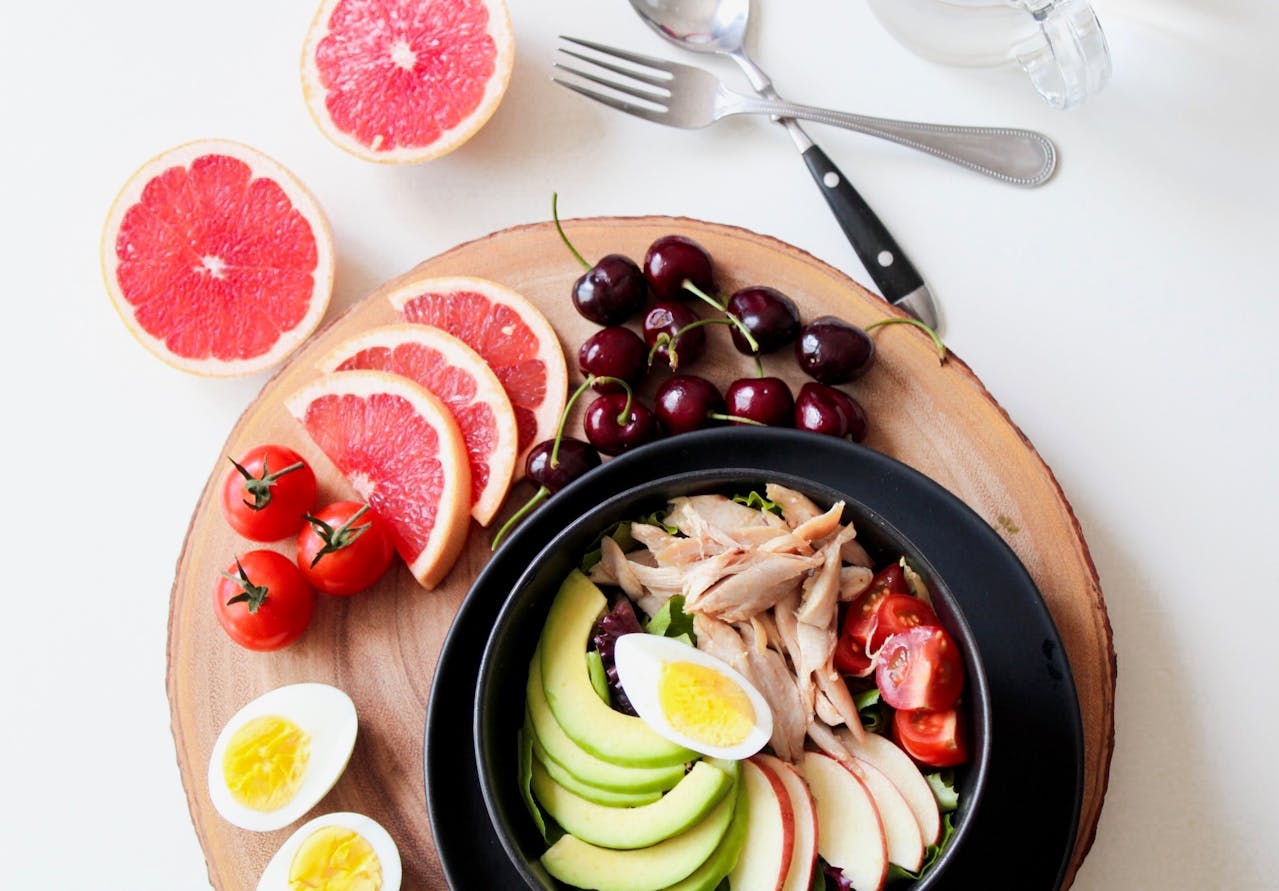
- ½ plate: Vegetables or fruit
- ¼ plate: Lean protein
- ¼ plate: Complex carbohydrate
- Add: Healthy fat source
No calorie counting required.
Consistency beats perfection.
Supplements: Helpful or Hype?
Food first. Always.
But some supplements may help when cleared by a clinician:
- Magnesium glycinate (sleep, muscle tension)
- B-complex (alcohol-related depletion)
- Omega-3 fatty acids
- Vitamin D (if deficient)
Avoid megadoses. More is not better.
And never mix supplements without checking for interactions.
What to Avoid During Home Detox
Some foods make symptoms worse.
Limit:
- Excess sugar (spikes anxiety and crashes energy)
- High caffeine (increases jitters and insomnia)
- Energy drinks
- Highly processed snacks
- Alcohol substitutes
Especially caffeine.
Many people replace substances with coffee. That backfires during withdrawal.
If You Have No Appetite
Common during early withdrawal.
Here’s how to manage it:
- Eat small portions every 2–3 hours
- Use smoothies with protein powder
- Try soups and broths
- Keep snacks visible
Liquid calories are easier early on.
But don’t rely on sugar-heavy smoothies.
Balance them with protein and fat.
Sample 1-Day Detox Meal Plan
Breakfast:
Scrambled eggs + whole grain toast + avocado
Herbal tea or water
Snack:
Greek yogurt + berries
Lunch:
Grilled chicken salad with olive oil dressing
Quinoa or brown rice
Snack:
Banana + peanut butter
Dinner:
Salmon + roasted vegetables + sweet potato
Before Bed (if needed):
Small bowl of oatmeal or warm milk
Simple. Balanced. Repeatable.
Caregivers: Your Role in Detox Nutrition
If you’re supporting someone during withdrawal:
- Prepare meals ahead of time
- Offer food gently, not forcefully
- Keep hydration accessible
- Avoid commenting on portion sizes
Nutrition during detox isn’t about weight.
It’s about stabilization.
Warning Signs That Require Medical Attention
Home detox isn’t safe for everyone.
Seek medical care immediately if there is:
- Severe vomiting preventing hydration
- Confusion
- Hallucinations
- Seizures
- Chest pain
- Suicidal thoughts
Nutrition supports recovery.
It does not replace medical supervision when needed.
The Bottom Line
Detox nutrition at home isn’t complicated.
But it is strategic.
Eat:
- Regularly
- Balanced
- Protein-forward
- Hydrated
Avoid extremes. Avoid restrictions. Avoid quick fixes.
Your body is recalibrating. Food is part of that repair process.
If you’d like a printable detox nutrition checklist, including hydration targets, grocery lists, and a 3-day sample plan, download our dietitian-reviewed guide below.
Recovery doesn’t require perfection.