


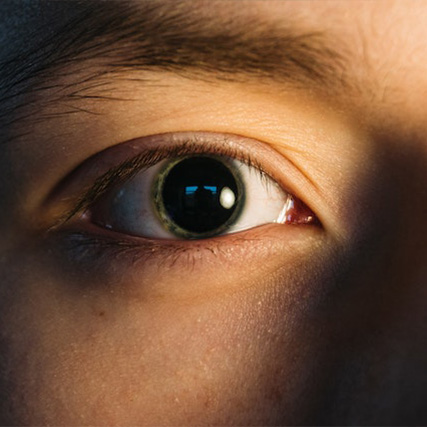
Why Cocaine Makes Your Eyes Look Different
The eyes are one of the more visible places cocaine use shows up. Whether it’s noticeably enlarged pupils, redness, or unusual movement, cocaine produces a set of changes in and around the eyes that can be striking and often recognizable to people who know what to look for. Understanding why these changes happen sheds light on what the drug is actually doing to the body.
Some of these effects are temporary and fade as the drug wears off. Others, with repeated use, can become more lasting. Here’s what’s going on.
Table of Contents:
Dilated Pupils: The Most Recognizable Sign
The most well-known effect cocaine has on the eyes is pupil dilation. Under the influence of cocaine, the pupils often become noticeably larger than normal, a phenomenon sometimes casually called “cocaine eyes.” This is one of the more reliable visual signs of stimulant use, and it can be pronounced enough to be obvious even to someone who isn’t looking for it. The pupils may also react sluggishly to light, staying enlarged even in bright conditions where they’d normally contract.
Why the Pupils React This Way
The dilation happens because of how cocaine affects the nervous system. Cocaine is a stimulant that floods the body with norepinephrine and triggers the sympathetic nervous system, the same “fight or flight” response that naturally widens the pupils in moments of stress or danger. Cocaine essentially forces the body into a heightened, activated state, and dilated pupils are one of the visible results. The body is behaving as though it’s under threat, even when nothing external is happening.
Bloodshot and Watery Eyes
Beyond the pupils, cocaine can leave the eyes looking red, irritated, or watery. This can happen for several reasons. The drug’s effect on blood vessels and blood pressure can contribute to redness, and cocaine use is often accompanied by lack of sleep, dehydration, and general physical strain, all of which take a toll on the eyes. In people who smoke crack cocaine, direct exposure to smoke can irritate the eyes further, adding to the bloodshot appearance.
Rapid Eye Movement and “Coke Nystagmus”
Cocaine can also affect how the eyes move. Some people under the influence display rapid, involuntary eye movements, a condition known as nystagmus. This can look like a subtle jerking or flickering of the eyes, sometimes when looking to the side. It happens because cocaine disrupts the parts of the nervous system that control fine motor coordination, including the tiny muscles that govern eye movement. Like dilation, this tends to be a temporary effect tied to active intoxication.
Long-Term Effects on the Eyes
With repeated cocaine use, some eye-related effects can become more persistent or serious. Chronic use can contribute to lasting changes in how the pupils respond, and the drug’s impact on blood vessels can, in rare and severe cases, affect vision. Cocaine’s tendency to constrict blood vessels means it can reduce blood flow to sensitive tissues, and prolonged use has been linked in some cases to eye and vision complications. These outcomes aren’t universal, but they illustrate that the eye effects aren’t always as harmless or temporary as they might first appear.
What These Signs Can Tell You
For someone worried about a person close to them, changes in the eyes can be one of the earlier noticeable signs of cocaine use, alongside the wider effects of cocaine on the body. Dilated pupils, redness, and unusual eye movement, especially when they come and go in a pattern, can be part of a larger picture worth paying attention to.
That said, eye changes alone don’t confirm anything; plenty of things affect the eyes. They’re most meaningful in context, alongside other behavioral and physical changes. Recognizing signs of drug use in someone close to you is rarely about a single indicator, it’s about noticing a pattern that adds up over time.
When Eye Changes Point to a Bigger Problem
If the eye changes are part of a broader pattern of cocaine use, then the eyes aren’t really the issue, they’re just one visible sign of it. What matters is the cocaine use underneath, and that’s what’s worth addressing. Cocaine dependence is treatable, and for many people, in-home cocaine detox offers a way to begin stepping away from the drug with medical support, in a private and familiar setting.
The way cocaine changes the eyes is a small, visible window into a much larger set of effects the drug has throughout the body. If you’re noticing these signs in yourself or someone you care about, they’re worth taking seriously, not because of how the eyes look, but because of what they may point to.
At Elite Home Detox, the focus is on helping people detox from cocaine and other substances safely, and on making that first step feel possible.